Why DIY Insulation Could Be a Costly Mistake
Why DIY Insulation Could Be a Costly Mistake
When you're scrolling through home improvement videos online, insulation projects can look deceptively simple. Grab some materials from the hardware store, lay them down in your attic, and watch your energy bills drop, right? Unfortunately, the reality of insulation installation is far more complex than many DIY tutorials suggest. What appears to be a straightforward weekend project can quickly turn into an expensive mistake that costs you more in the long run than hiring professionals from the start.
At Ikonik Insulation, we've seen countless situations where well-intentioned homeowners attempted DIY insulation projects only to face serious problems down the road. Here's why working with experienced insulation professionals is essential for protecting your home and your investment.
The Hidden Complexity of Proper Insulation
Safety Hazards You Can't Afford to Ignore
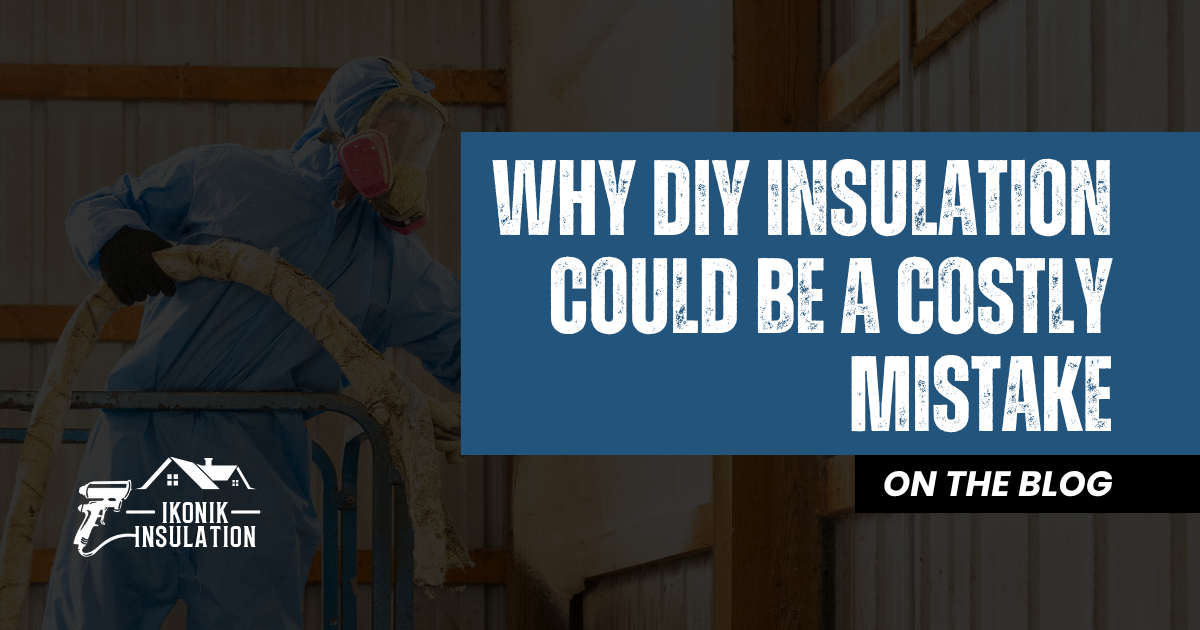
Your attic isn't just an uncomfortable space—it's a genuinely hazardous environment that requires proper safety equipment and training. Extreme temperatures, limited mobility, exposed wiring, and potential exposure to existing insulation materials containing harmful substances create serious safety risks. Professional insulation contractors come equipped with appropriate protective gear, including respirators, protective clothing, and eye protection, along with the training to use them correctly.
Many older homes contain insulation materials that may harbor hazardous substances. Disturbing these materials without proper precautions can expose you and your family to health risks. Professional installers know how to identify potentially hazardous materials and handle them according to safety regulations.
Working in confined attic spaces also presents fall risks and the danger of stepping through ceiling joists. One wrong step can send you through your ceiling, resulting in serious injury and costly repairs. Experienced professionals know how to navigate these spaces safely and have insurance to protect homeowners if accidents occur.
The Moisture Problem Nobody Talks About
One of the most dangerous aspects of DIY insulation is the potential for creating moisture problems. Improper installation can trap moisture within walls or attic spaces, creating ideal conditions for mold growth and structural damage. Professional installers understand how to properly place vapor barriers, ensure adequate ventilation, and select materials appropriate for your climate and specific application.
When warm, humid air from your living spaces meets cold surfaces in an improperly insulated attic, condensation forms. This moisture accumulation can lead to mold growth, wood rot, and deterioration of the insulation itself—problems that often remain hidden until significant damage has occurred. By the time you notice musty odors, water stains, or visible mold, you're already facing expensive remediation work.
Spray foam insulation adds another layer of complexity to moisture management. While properly installed spray foam acts as both an air barrier and moisture barrier, incorrect application can seal in existing moisture problems or prevent necessary ventilation. Without proper understanding of building science principles, DIY installers may inadvertently create moisture traps that cause long-term structural damage.
Code Compliance and Building Science
Local building codes exist for good reason—they ensure your home remains safe, efficient, and structurally sound. These codes specify R-values for different areas of your home, proper ventilation requirements, and safety standards that must be met. DIY installers often aren't aware of these requirements or how to verify compliance.
Professional insulation contractors stay current with local building codes and understand how to properly document their work for inspections. They know the required R-values for your climate zone, how to maintain proper attic ventilation while maximizing insulation, and how to work around obstacles without compromising performance or safety.
Improper insulation installation can also affect your home's resale value. When it comes time to sell, home inspectors may identify DIY insulation problems that become negotiating points or deal-breakers for potential buyers. Professional installation provides documentation and warranties that reassure future buyers about the quality of your home's energy efficiency improvements.
The Real Cost of DIY Mistakes
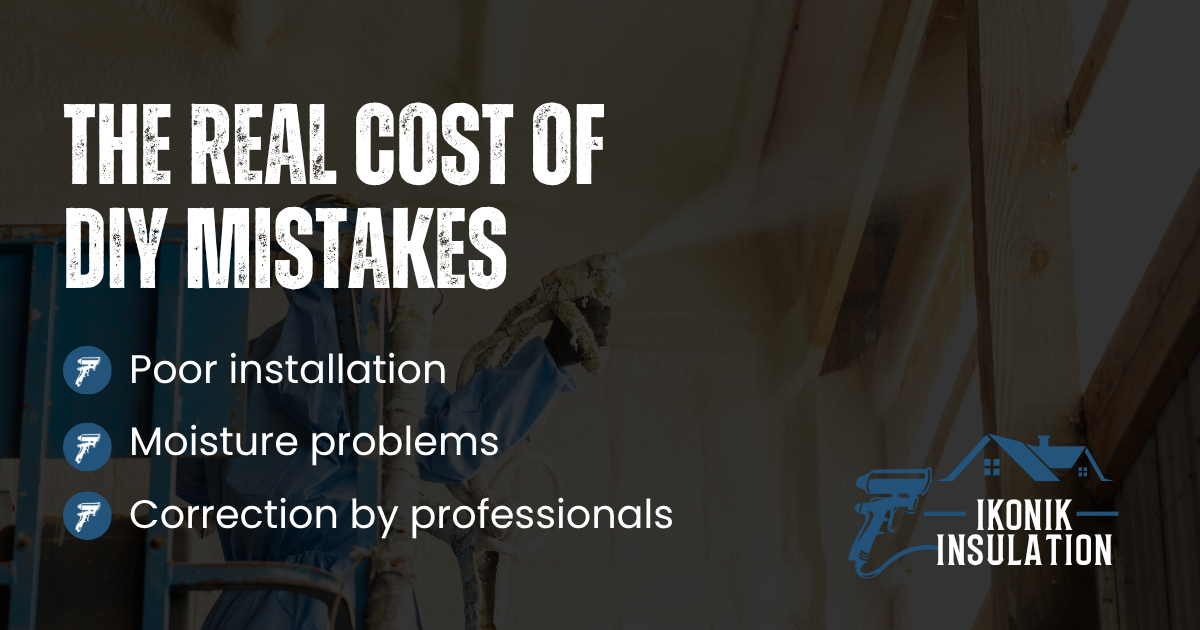
While saving money motivates many DIY projects, insulation mistakes can cost far more than professional installation. Poor installation reduces energy efficiency, meaning your heating and cooling systems must work harder and run longer. This not only increases your monthly utility bills but also accelerates wear on your HVAC equipment, leading to premature failure and costly repairs.
Moisture problems resulting from improper insulation can require extensive remediation work. Mold removal, structural repairs, and insulation replacement can easily cost thousands of dollars—far exceeding what you would have paid for professional installation initially. These problems also disrupt your home and potentially expose your family to health hazards during the remediation process.
DIY insulation projects also frequently require correction by professionals. When homeowners realize their installation isn't performing as expected or is causing problems, they must pay to have the work redone. This means paying twice for the same project—once for materials and your time, then again for professional removal and proper installation.
Why Professional Installation Delivers Better Results
Professional insulation contractors bring specialized training and experience that ensures optimal performance. They can assess your home's specific needs, identify problem areas, and recommend appropriate solutions based on your budget and goals. This comprehensive approach addresses not just insulation but also air sealing and ventilation for complete energy efficiency improvement.
Quality installers use specialized equipment that achieves consistent results impossible to match with DIY approaches. For blown-in insulation, professionals use calibrated equipment that ensures proper density and coverage. For spray foam applications, they have the expensive machinery required for proper mixing and application, along with the training to use it effectively.
Professional installation also includes proper preparation work that DIY installers often skip. This includes sealing air leaks, addressing existing moisture issues, and preparing surfaces for optimal insulation adhesion. These steps make the difference between insulation that underperforms and insulation that delivers rated efficiency for decades.
The Ikonik Advantage
At Ikonik Insulation, our team brings years of specialized experience in both traditional and spray foam insulation applications. We understand that every home is unique and requires customized solutions rather than one-size-fits-all approaches. Our comprehensive assessment process identifies air leaks, moisture issues, and other factors that could impact performance before we recommend the best insulation strategy for your specific needs.
Our expertise with spray foam insulation technology provides homeowners with cutting-edge solutions that deliver superior results. Spray foam creates a complete thermal barrier while simultaneously sealing air leaks, addressing two critical components of energy efficiency in a single application. However, achieving these benefits requires the proper equipment, training, and installation techniques that only experienced professionals can provide.
We also stand behind our work with warranties and documentation that protect your investment. If any issues arise, you have the peace of mind knowing that qualified professionals will address them promptly and correctly.
Making the Smart Choice
Quality insulation represents one of the most cost-effective home improvements available, with energy savings that begin immediately and continue for decades. These savings, combined with improved comfort and protection against moisture damage, make professional insulation installation an investment that pays for itself multiple times over.
Current tax incentives make professional insulation services even more attractive financially. Federal tax credits can help offset installation costs, and these incentives typically require professional installation to qualify. When you factor in these credits along with guaranteed energy savings and the peace of mind that comes with proper installation, professional services become clearly more cost-effective than the DIY approach.
Don't let the appeal of saving a few dollars upfront lead to expensive problems down the road. Contact Ikonik Insulation today to schedule a comprehensive assessment and discover how professional insulation installation can transform your home's energy efficiency, comfort, and long-term value. Your home deserves the expertise that only qualified professionals can provide.