What Is Air Sealing and Why Does It Matter?
What Is Air Sealing and Why Does It Matter?
If you've been researching ways to make your home more comfortable and energy-efficient, you've probably come across the term "air sealing." But what exactly is it, and how does it relate to insulation?
Air sealing is one of the most overlooked steps in home energy efficiency. Many homeowners focus entirely on adding insulation without addressing the gaps and cracks that let air flow freely in and out of their home. The truth is, insulation and air sealing work together. One without the other leaves performance on the table.
Let me explain what air sealing is, why it matters, and how it fits into the bigger picture of keeping your home comfortable year-round.
Understanding Air Leakage
Every home has gaps, cracks, and openings that allow air to move between your living space and the outdoors. Some of these are obvious, like the gap under an exterior door. Others are hidden in places you'd never think to look: around electrical outlets, where plumbing pipes penetrate walls, at the top of interior walls where they meet the attic, and around recessed lighting fixtures.
This air movement is called air leakage, and it works against you in every season. In winter, warm air escapes through these openings while cold air sneaks in. In summer, the process reverses, with cool air leaking out and hot, humid air pushing its way inside.
The result is a home that's harder to keep comfortable and an HVAC system that has to work overtime to compensate. You're essentially paying to heat or cool air that's constantly escaping.
How Air Sealing Works
Air sealing is the process of identifying and closing these gaps and cracks throughout your home. Depending on the location and size of the opening, different materials may be used: caulk for small gaps, expanding foam for larger openings, weatherstripping for doors and windows, and specialized materials for areas like recessed lights that need to maintain fire safety.
The most important areas to seal are typically in the attic and crawlspace, where the biggest pressure differences exist. Common trouble spots include:
Attic hatches and pull-down stairs, which often have large gaps around the frame.
Plumbing and electrical penetrations, where pipes and wires pass through floors and ceilings.
Recessed lighting fixtures, especially older models that weren't designed to be airtight.
The tops of interior walls, where gaps between the drywall and framing allow air to flow into the attic.
Rim joists in basements and crawlspaces, where the floor framing meets the foundation.
Why Insulation Alone Isn't Enough
Here's something that surprises many homeowners: insulation doesn't stop air movement. Insulation is designed to slow the transfer of heat through materials, but if air is flowing around or through it, much of that benefit is lost.
Think of it this way. A thick sweater keeps you warm on a cold day by trapping air close to your body. But if you're standing in a strong wind, that sweater doesn't help nearly as much. You need a windbreaker over it to block the air movement. Air sealing is like that windbreaker for your home.
A house with R-60 insulation in the attic but major air leaks will often perform worse than a house with R-38 insulation and proper air sealing. The air leaks allow conditioned air to escape and unconditioned air to enter, bypassing the insulation entirely.
The Benefits of Combining Air Sealing and Insulation
When air sealing and insulation work together, the results are significantly better than either one alone. You can expect more consistent temperatures throughout your home, since air isn't flowing through hidden pathways and creating hot or cold spots. Your HVAC system runs less frequently because it's not fighting constant air exchange. Energy bills drop, often noticeably.
There are other benefits too. Air sealing helps keep dust, pollen, and outdoor pollutants from entering your home through cracks and gaps. It can reduce humidity problems by limiting the amount of moist outdoor air that infiltrates. And it helps keep pests out, since many insects and rodents enter through the same openings that let air through.
Where Spray Foam Fits In
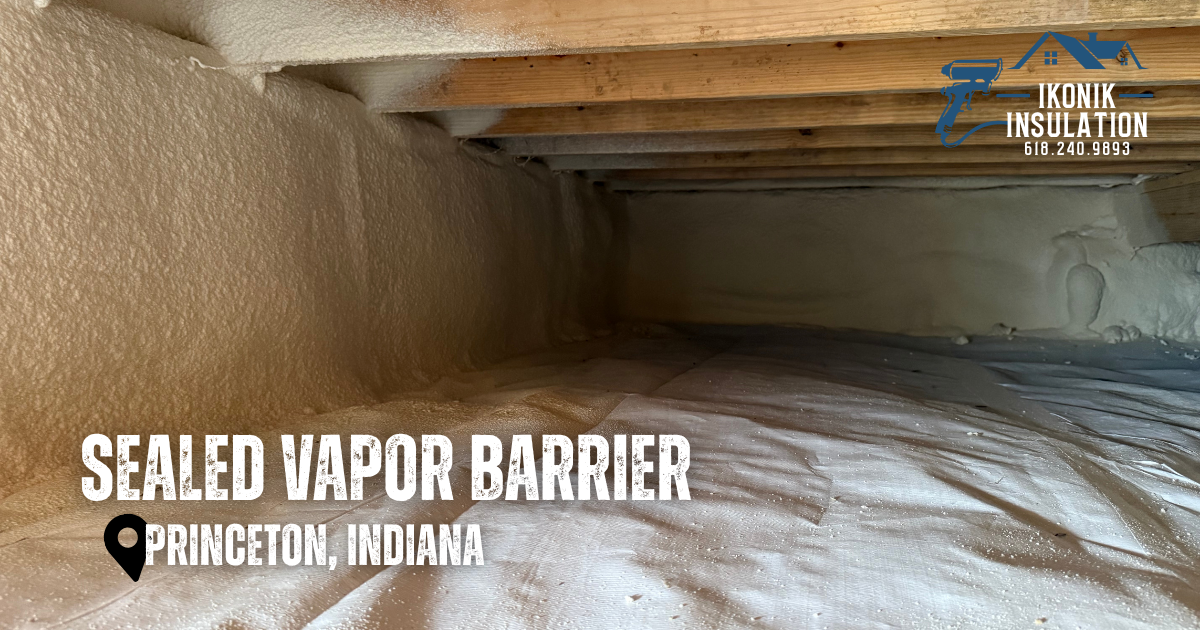
One of the reasons spray foam insulation has become so popular is that it provides both insulation and air sealing in a single application. When spray foam is applied, it expands to fill gaps and adheres directly to surfaces, creating a continuous barrier that stops both heat transfer and air movement.
This makes spray foam especially effective in areas where air sealing is critical, like rim joists, attic floors, and around penetrations. For homeowners who want maximum performance, spray foam eliminates the need for separate air sealing steps in the areas where it's applied.
That said, spray foam isn't always necessary for every part of every home. In some cases, traditional air sealing methods combined with batt or cellulose insulation make more sense from a cost-benefit standpoint. The right approach depends on your specific situation, goals, and budget.
Is Your Home Properly Air Sealed?
If you're experiencing drafts, uneven temperatures, or higher-than-expected energy bills, air leakage could be part of the problem. These issues are common in older homes, but even newer construction sometimes has air sealing gaps that were missed during building.
A professional assessment can identify where your home is losing air and recommend the most effective solutions. At Ikonik Insulation, we look at air sealing as part of every insulation project we do. It's not an add-on or an afterthought. It's a fundamental part of making your home perform the way it should.
Have questions about air sealing or want to know if your home could benefit? Call us at 618-240-9893 to schedule an estimate. We serve homeowners throughout Mount Carmel, IL, Princeton, IN, and the surrounding areas.