Crawl Space Encapsulation in Mount Carmel, IL: What Homeowners Should Know Before Hiring
Crawl Space Encapsulation in Mount Carmel, IL: What Homeowners Should Know Before Hiring
In Mount Carmel, the Wabash River's proximity and Wabash County's clay-heavy soils keep ground moisture elevated year-round — meaning an unconditioned crawl space here faces far more vapor pressure than homes in drier inland climates. That constant moisture drive turns a simple vented crawl space into a source of mold, wood rot, and energy loss faster than most homeowners expect. If you're already weighing your options, here's what a proper job involves and how to tell a quality installation from a shortcut.
Why Is Crawl Space Moisture a Bigger Problem in Southern Illinois Than Most Places?
Mount Carmel sits in a transition zone where humid continental and subtropical air patterns meet, pushing summer relative humidity regularly above 70–80%. Warm, moist outdoor air enters foundation vents and cools inside the crawl space — and when warm air cools, the moisture it carries condenses directly onto wood joists, subfloor framing, and insulation.
This process, called the stack effect, runs continuously through summer months. Combine that with annual rainfall averaging 44–46 inches and the clay soils that hold moisture close to the surface, and a vented crawl space in Wabash County sits in near-ideal conditions for mold growth and structural wood degradation from roughly May through September.
Older Mount Carmel housing stock — much of it built before 1980 — typically has vented crawl spaces with minimal or deteriorated poly sheeting laid loosely on the floor. That setup was standard practice for its era, but building science has since recognized it as a significant liability in high-humidity regions. Sealed, encapsulated systems are now the recommended approach for exactly these conditions. You can learn more about what a complete system involves on the crawl space encapsulation services page.
What Is the Difference Between a Vapor Barrier and Full Encapsulation?
A vapor barrier is one component; full encapsulation is a complete system — and that distinction matters when comparing quotes.
A standard vapor barrier is a sheet of thin poly (often 6-mil) laid on the crawl space floor. It slows moisture migration from the soil but leaves foundation walls, rim joists, and vents unaddressed. Seams are typically overlapped but not sealed, so humid air still moves freely around and over the barrier.
Full encapsulation covers the floor and foundation walls with a reinforced liner — minimum 12-mil, ideally 16–20 mil — with all seams taped and sealed. Foundation vents are blocked or permanently closed. The rim joist (where floor framing meets the foundation wall) is air sealed. The result is a semi-conditioned envelope where moisture, pests, and outdoor air can no longer enter freely. A vapor barrier addresses part of the floor; encapsulation controls the entire space.
What Does a Professional Encapsulation Job Actually Include?
A complete installation starts before any liner is unrolled. A qualified contractor will assess existing moisture levels, check for standing water, active mold, or pest activity, and identify any water intrusion points that need to be corrected first. Skipping this step is one of the most common ways a job fails within a few years.
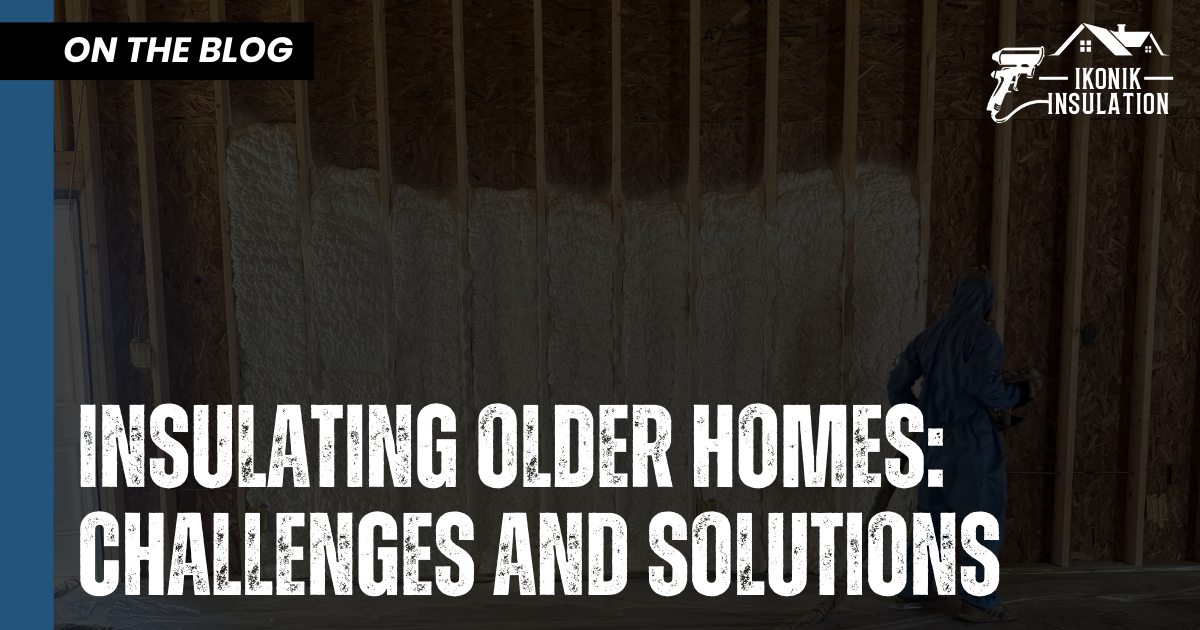
The liner is then installed across the crawl space floor and up the foundation walls, mechanically fastened and overlapped with taped, adhesive-rated seams — not just laid flat. Foundation vents are sealed as part of this scope; leaving them open defeats the entire system. Rim joists are addressed with spray foam air sealing, which closes the single largest air infiltration point in most crawl spaces while also adding thermal resistance at a critical location.
In high-humidity areas like Southeast Illinois, a crawl space dehumidifier is often added as a long-term management tool. A final walkthrough confirms liner integrity and that no bypass points remain. Sealing the rim joist during the same mobilization as encapsulation is the most cost-effective way to address both moisture and energy loss together.
How Much Does Crawl Space Encapsulation Cost in Mount Carmel, IL?
A professionally installed full encapsulation system for an average residential crawl space in this region generally runs between $3,000 and $8,000 or more, depending on square footage, access difficulty, existing moisture damage, and whether a dehumidifier is included.
Liner-only or vapor barrier jobs typically cost less — but they also deliver less protection, particularly in Wabash County's climate. A quote that comes in well below the typical range without a clear explanation of what's included or excluded is worth scrutinizing closely.
The accurate number for your home requires an on-site assessment, since crawl space conditions vary significantly even within the same neighborhood. Job timeline for a professional crew is typically one to two days for a standard residential space.
Red Flags to Watch for When Comparing Quotes
Watch for these warning signs regardless of price: a quote that specifies only thin 6-mil poly on the floor, no mention of sealing foundation vents, rim joist sealing left out or not discussed, and no moisture assessment before installation begins. These omissions are not minor — they indicate the job won't perform as expected in Southern Illinois conditions.
Verbal-only quotes with no written scope of work, same-day pressure to sign, and contractors unfamiliar with Wabash Valley housing stock are also signals to walk away. A quality contractor will list material specs in writing, perform a pre-job moisture reading, and confirm what happens to existing vents and rim joists before they start.
Unsealed vents in an 'encapsulated' crawl space effectively undo the liner system — outdoor humidity re-enters freely through every vent left open, and the moisture problem continues despite the cost of installation.
Proper encapsulation turns a crawl space from the weakest point in a home's envelope into a controlled, stable environment — reducing mold risk, protecting structural framing, and lowering the heating and cooling load on the home's HVAC system over time.
Schedule a free assessment to get an accurate scope and cost for your specific crawl space with IKONIK INSULATION, LLC.